


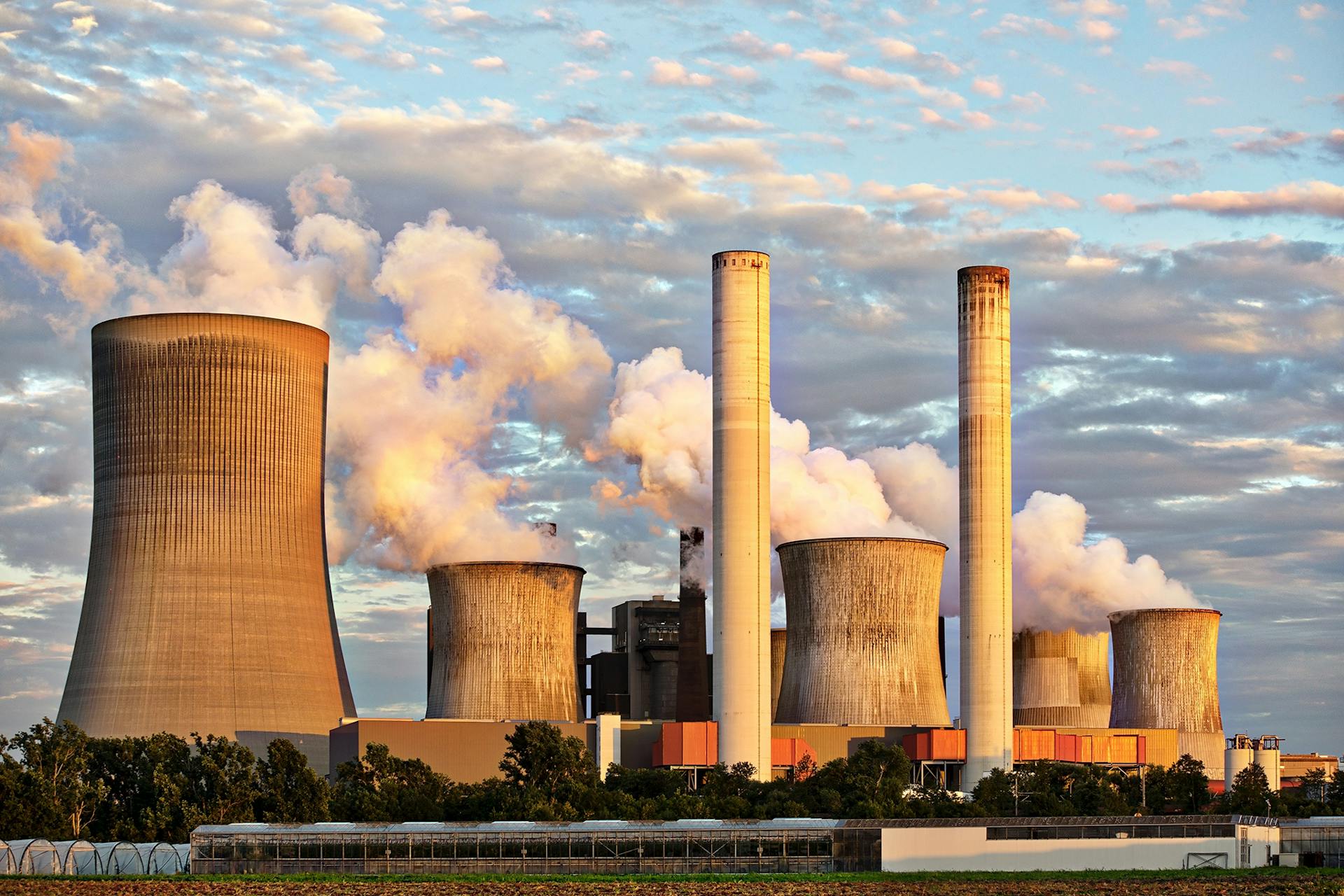
Thermoelectric generators convert heat into electrical energy and are used in waste heat recovery in power plants, powering space probes, and creating wearable devices powered by body heat alone.Challenges With Traditional Thermoelectric Materials: Traditionally used thermoelectric materials are rigid, costly, and require complex manufacturing.
Organic alternatives offer flexibility but have low electrical conductivity and poor mechanical durability.Flexible Thermoelectric Materials using CNTs: Researchers at the Korea Research Institute of Chemical Technology combined carbon nanotubes (CNTs) with bismuth-antimony-telluride (BST) to form a composite foam.
This new material has a thermoelectric performance 5.7 times higher than CNT foam alone, with improved flexibility and durability, maintaining performance after 10,000 bending tests.Next-Gen Thermoelectric Generators: The moldable nature of the CNT-BST foam marks this material as a promising candidate for next-generation thermoelectric generators, including battery-free wearable devices and waste heat recovery systems.


